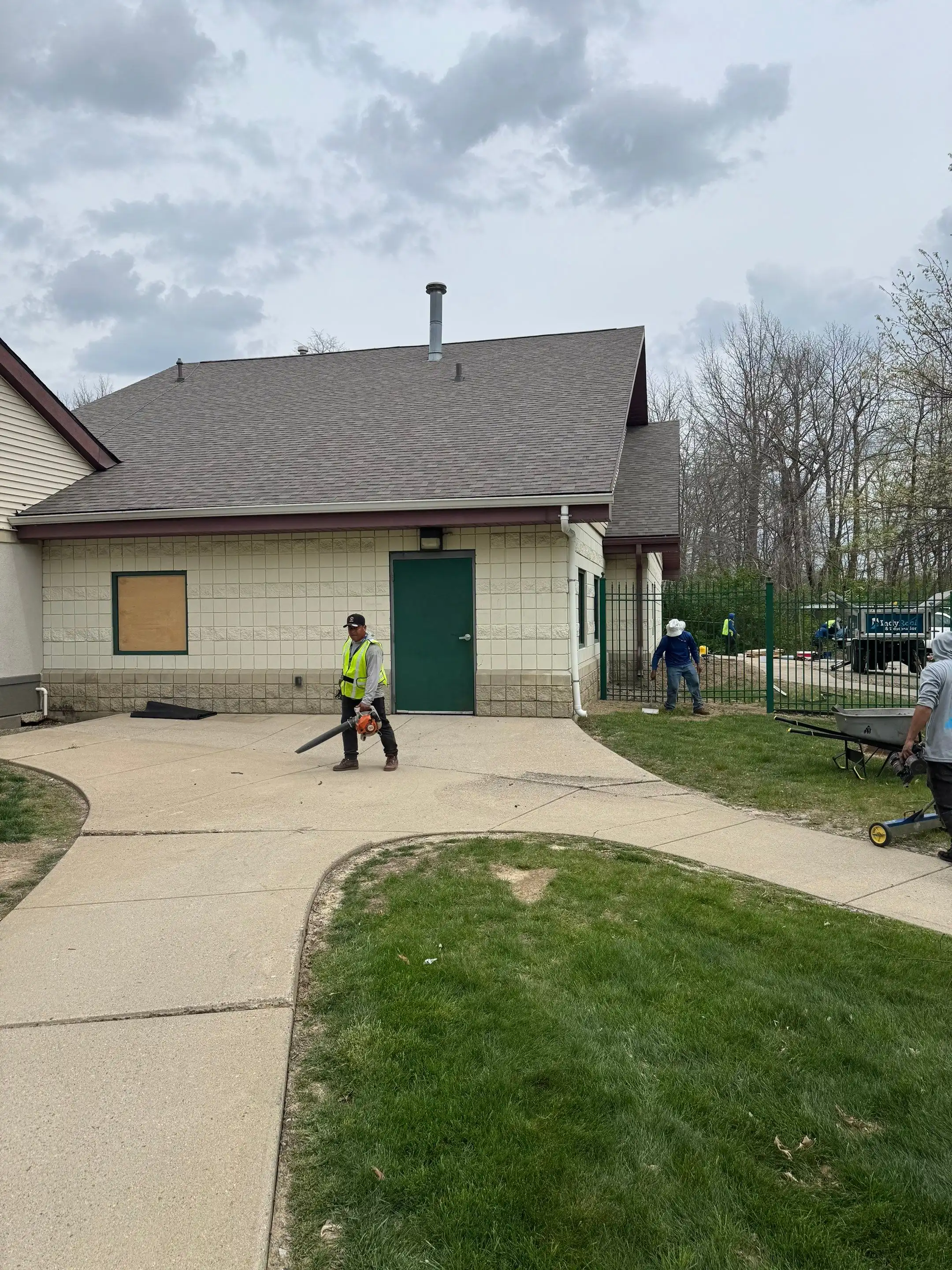
Typical lifespan by roofing system
The roofing system is the single biggest factor in how long a commercial roof lasts, so any discussion of lifespan starts there. The ranges below are typical service lives for a Mishawaka commercial roof, assuming quality installation and reasonable maintenance, framed as approximate because real conditions move them.
Single ply membranes: TPO, EPDM, PVC
The common single ply membranes generally serve past twenty years when well installed and maintained. TPO commonly lasts in that range, with thicker membranes and good care reaching the higher end. EPDM has one of the longest proven track records, frequently serving past twenty years and often longer, with excellent cold weather durability. PVC, the premium membrane, also commonly lasts past two decades and resists the chemical and ponding exposure that shortens other membranes. For a building, single ply offers solid longevity at a reasonable cost.
Modified bitumen and built up roofing
Modified bitumen, a multi ply asphalt based system, typically serves around two decades, with the number depending on the plies and installation. Built up roofing, the traditional layered system, can last a long time, often comparable or longer, given its multiple layers. These proven systems offer dependable service lives for St. Joseph County buildings, particularly where their durability and traffic resistance suit the use. Their longevity reflects their multi layer construction.
Metal roofing
Metal sits at the top for longevity, with standing seam and other metal systems commonly lasting several decades, well beyond the membranes. This exceptional service life is a big part of metal's value, since spreading its higher cost across many decades can give it an attractive cost per year. For a Mishawaka building planning to hold long term, metal's longevity is a significant advantage, though it depends on quality material and installation to be realized.
Coatings and the lifespan they add
Roof coatings are not a roofing system on their own but a way to extend one, commonly adding ten to fifteen years to a sound roof and often recoatable for further extension. A coating applied to a sound aging roof stretches its service life affordably, which is why coatings factor into the lifespan conversation. They are a tool for extending the life of the systems above rather than a standalone roof.
Ranges, not guarantees
These lifespans are typical ranges, not guarantees, because how long any specific roof lasts depends on more than the system, the installation, maintenance, climate, and use all matter. The system sets the expected range, and those other factors determine where within it, or beyond it, a roof actually lands. For a St. Joseph County owner, the system gives a realistic expectation, while the factors covered next decide the real outcome on your roof.
Know what to expect from your system
The broader point about roof lifespan is that the system's typical range is a starting expectation, not a fixed destiny, because what an owner does with the roof shapes how long it actually serves. A Mishawaka owner who treats the expected lifespan as a target to reach or beat, through quality installation and consistent care, routinely gets more from a roof than one who assumes the number is fixed and leaves the roof to fend for itself. The system provides the potential, and the owner's choices realize it.
Finally, lifespan is most valuable as a planning input, because a roof whose expected life and current age are known can be managed rather than merely owned. A owner who tracks the roof's trajectory can budget for replacement, time it well, and extend it where sensible, turning the single largest building expense into an anticipated, controlled one. That foresight, grounded in understanding how long the roof should last, is what separates a roof that is managed as an asset from one that becomes a costly surprise.
It also helps to weigh lifespan alongside cost rather than in isolation, since the truest measure of a roofing investment is cost per year of service. A St. Joseph County owner comparing options is better served by dividing each system's cost by the years it lasts in their conditions than by looking at first cost or lifespan alone. A roof that costs more but lasts far longer can be the better value, and that comparison only becomes clear when lifespan and cost are weighed together for the specific building.
The broader point about roof lifespan is that the system's typical range is a starting expectation, not a fixed destiny, because what an owner does with the roof shapes how long it actually serves. A Mishawaka owner who treats the expected lifespan as a target to reach or beat, through quality installation and consistent care, routinely gets more from a roof than one who assumes the number is fixed and leaves the roof to fend for itself. The system provides the potential, and the owner's choices realize it.
Finally, lifespan is most valuable as a planning input, because a roof whose expected life and current age are known can be managed rather than merely owned. A owner who tracks the roof's trajectory can budget for replacement, time it well, and extend it where sensible, turning the single largest building expense into an anticipated, controlled one. That foresight, grounded in understanding how long the roof should last, is what separates a roof that is managed as an asset from one that becomes a costly surprise.
It also helps to weigh lifespan alongside cost rather than in isolation, since the truest measure of a roofing investment is cost per year of service. A St. Joseph County owner comparing options is better served by dividing each system's cost by the years it lasts in their conditions than by looking at first cost or lifespan alone. A roof that costs more but lasts far longer can be the better value, and that comparison only becomes clear when lifespan and cost are weighed together for the specific building.
The broader point about roof lifespan is that the system's typical range is a starting expectation, not a fixed destiny, because what an owner does with the roof shapes how long it actually serves. A Mishawaka owner who treats the expected lifespan as a target to reach or beat, through quality installation and consistent care, routinely gets more from a roof than one who assumes the number is fixed and leaves the roof to fend for itself. The system provides the potential, and the owner's choices realize it.
Mishawaka Commercial Roofing helps Mishawaka owners understand the expected lifespan of their roofing system and assess how their specific roof is tracking against it. Call (765) 676-3491 to learn what to expect from your roof and how long it should last. Understanding your roof's expected life is what separates smart planning from an expensive surprise.